
Over $1 Billion Recovered for Investors and Counting
The Most Trusted Name in Securities Class Action Law Firms.
You pay nothing unless we win.
Find Your Case Instantly
Recognized By



No aspect of these advertisements has been approved by the highest court of any state.
About Rosen Law
For over 25 years, Rosen Law has been at the forefront of securities litigation, fighting tirelessly for investor rights and recovering billions in damages.
Top-Ranked Firm
Consistently ranked among the top securities litigation firms in the nation by leading legal publications.
Experienced Team
Our attorneys have decades of collective experience in securities fraud and class action litigation.
Wide-reaching Firm
We represent clients from around the world with offices in New York, California, Pennsylvania, and New Jersey.
25+ Years
Over 25 years of experience fighting for investor rights and recovering billions in damages.
Our Legal Team
Our experienced attorneys combine deep legal knowledge with dedication to achieving the best possible outcomes for our clients.




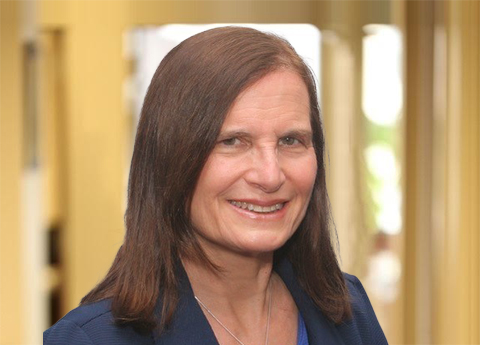

" We are committed to protecting investor rights and holding those accountable for securities fraud. "- Laurence Rosen, Founding Partner

" We approach every matter with discipline, urgency, and a relentless focus on recovering losses for shareholders. "- Phillip Kim, Partner
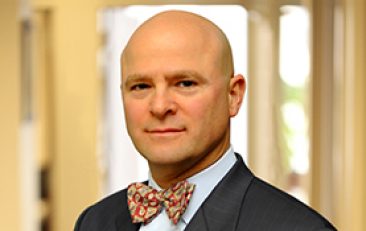
" Our team combines deep securities litigation experience with practical strategy to deliver results in high-stakes cases. "- Jacob A. Goldberg, Partner
Recent News
Stay updated with our latest announcements, investigations, cases, and settlements.

Galena Biopharma: A Twist on the Classic Pump & Dump
So here we had a situation where plaintiffs and the Galena special committee both read the same documents and reached totally different conclusions.
Read More
Fiat Chrysler Cheats Emissions Tests & Investors
Rosen Law recovered $110 million for investors after FCA’s emissions cheating and safety violations came to light.
Read MoreRosen Law Ranked No. 2 in Number of 2021 Securities Class Action Settlements by ISS
ISS SCAS ranks Rosen Law No. 2 by number of securities class action settlements in 2021.
Read MoreProven Case Results
Our track record speaks for itself. We've successfully recovered over one billion dollars for investors in some of the most significant securities fraud cases in history.
Total Recovered
Over $1 billion recovered for investors
Successes For shareholders globally
Successful outcomes in complex litigation
Years Experience
Decades of securities litigation practice
Notable Successes
Alibaba Group
Securities FraudLargest securities class action settlement achieved against a Chinese issuer at that time.
Fiat Chrysler Automobiles
Securities FraudSignificant recovery for investors related to emissions disclosures.
Infinity Q Diversified Alpha Fund
Investment FraudMajor recovery for investors in a mutual fund valuation fraud case.
Silver Wheaton Corp.
Tax & Securities FraudSettlement resolving claims of concealed tax liabilities.
Frequently Asked Questions
Have questions? We have answers. Find information about class actions and our process.